Buying or selling a used boat in winter
Buying or selling a used boat in winter
When buyers and sellers (finally) have an interest in understanding each other.
In the yachting industry, buyers and sellers often have the impression of being on opposing sides.
One wants to buy “at the best price”, the other to sell “without selling off”.
In fact, winter is precisely the season when their interests can be aligned... provided that things are approached methodically, transparently and with a little common sense.
With over 30 years' experience in the used boat market, this is a constant:
winter transactions are often the healthiest.
Less fuss, fewer emotional decisions, more facts. And when the facts speak, everyone saves time and money.
The second-hand market in 2025: calmer, more rational
By 2025, the used boat market is back to normal.
Buyers are comparing, sellers can no longer ignore the real market, and the artificial scarcity has disappeared. The new market is in retreat, while the second-hand market remains active, but without excessive tension.
For the buyer, this means they can analyse, compare and negotiate without any urgency.
For the seller, this implies one essential thing: a well-positioned boat sells, a poorly positioned boat waits.
Winter acts as a revealer. It doesn't penalise good boats, but it does put in difficulty those whose prices or rhetoric are inconsistent.
An immobilised boat, a shared reality
This is a central point that buyers and sellers need to face up to.
A boat that remains docked in winter continues to generate costs:
✔️ Port space or storage,
✔️ insurance,
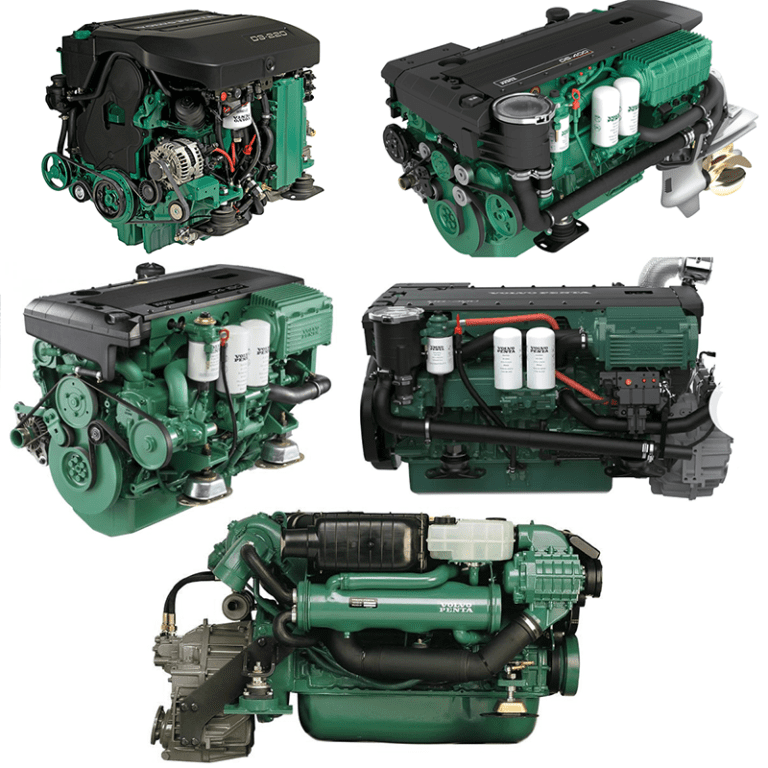
✔️ Wintering engines and equipment,
✔️ Minimum maintenance,
✔️ Handling.
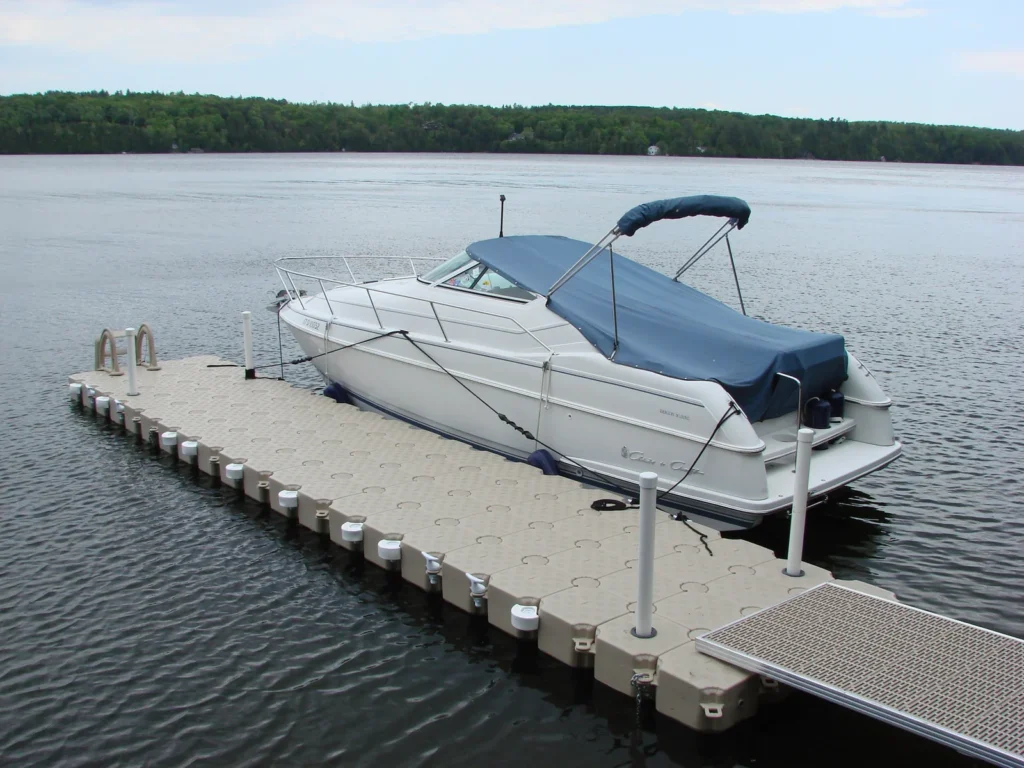
For the vendor, each month without a sale is an additional expense.
For the buyer, it's a legitimate negotiating leverage, based on economic facts, not on an artificial balance of power.
When these elements are clearly set out, the discussion becomes rational. We don't “pull the price”, we adjust a transaction to reality.
Winter puts technology back at the centre of the dialogue
At the height of the season, emotion often takes over. In winter, technique takes its natural place.
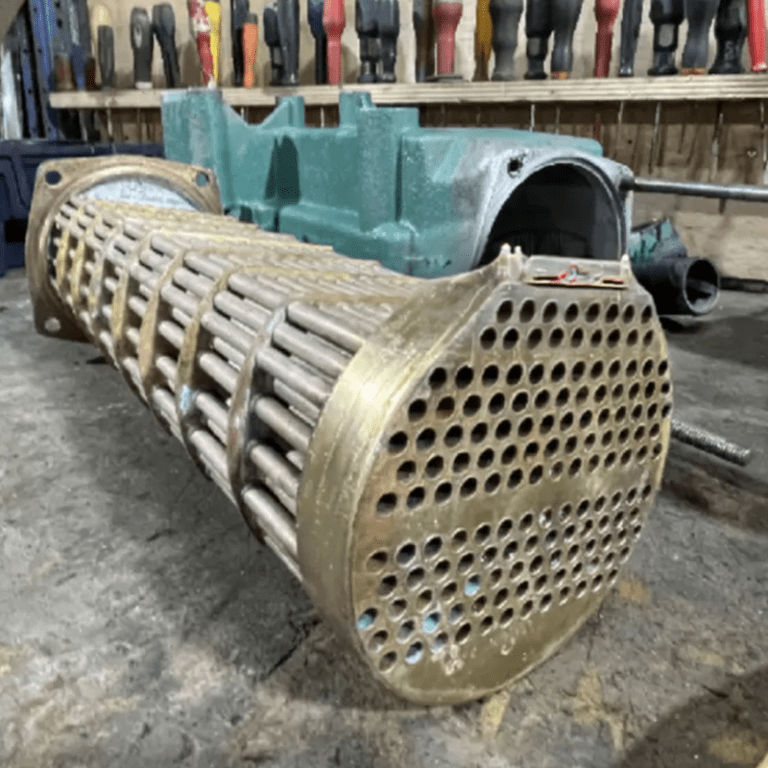
Batteries at end of life, dated and inconsistent electronics, tired saddlery, cracked gelcoat, peeling varnish, unmaintained heat exchangers ....
There's nothing unusual about a second-hand boat. But everything has a cost.
For the buyer, winter means :
✅ Comprehensive expertise,
✅ Precise quotes,
✅ Realistic deadlines.
For the seller, it's an opportunity:
👉 Anticipate objections,
👉 To document the actual condition of the boat,
👉 Secure the sale upstream.
A negotiation based on figures is always healthier than a discussion based on impressions.
Negotiating in winter: less urgency, more intelligence
This is where interests really converge.
The buyer is in no hurry for the season.
The seller knows that waiting has a cost.
This configuration allows :
👉 More posed,
👉 More argumentative,
👉 Less confrontational.
The final price is not always spectacularly low, but it is accepted on both sides, because it is based on concrete evidence.
Buy in winter, sell better in spring... or before
For the buyer, a boat bought in winter is properly prepared: work planned, gradually put in hand, the next season fully exploited.
For the seller, a winter sale avoids :
👉 Months of unnecessary charges,
👉 Increased competition in spring,
👉 Rougher negotiations at the height of the season.
In many cases, selling in winter is not a concession. It's a optimisation.
The role of the professional: to make the link, not to take sides
This is where my role comes into its own.
My job is neither to blindly defend the seller, nor to “pull a fast one” for the buyer.
It consists of :
👍 Position the boat at the right market level,
👍 To provide a technical framework for the project,
👍 Transform constraints into objective arguments,
👍 Secure the transaction for both parties.
When buyer and seller share the same information, the sale becomes fluid.
What I always say, on both sides
To the buyer :
👉 You're not buying an advert, you're buying a real boat,
👉 Take your time, but be ready to position yourself when the case is right.
To the seller :
👉 You're not selling a souvenir, you're selling an asset,
👉 Transparency protects your price far more than silence.
In conclusion
Winter does not pit buyers and sellers against each other.
It forces them to be honest.
In a second-hand market that is now in balance, this period offers :
✔️ Buyers to buy better,
✔️ Sellers to sell more cleanly,
✔️ And transactions can be concluded within a clear and secure framework.
With time, facts and professional guidance, winter becomes the season when everyone gets their act together.